
 Replanting in infected areas: the challenge of Ganoderma in Ivory Coast
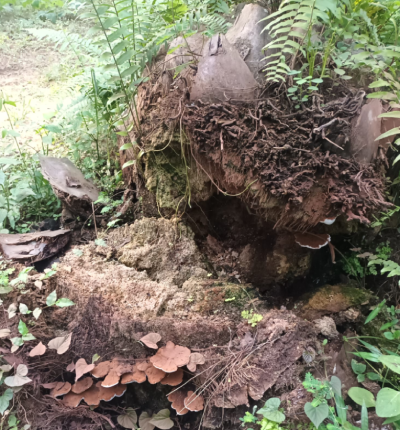
The success of a plantation is not measured solely by short-term yield, but above all by the ability of the plant material to withstand phytosanitary pressures.
In Côte d’Ivoire, the situation is clear: Ganoderma is one of the main challenges facing the oil palm industry.
Key points to remember: Ganoderma pressure
At several sites in Ivory Coast, this destructive fungus causes significant losses, lower yields, and a reduction in the lifespan of plantations. The answer: genetics
To date, genetics are at the heart of the integrated approach to combating Ganoderma.
PalmElit offers improved seeds that are resistant to Ganoderma, a key lever for securing growers’ investments. Why seed choice is strategic
Beyond the unit price, it is long-term profitability that makes the difference. Investing in resistant, high-performance material guarantees the sustainability of the plantation for the next 25 to 30 years. Anticipating today means protecting tomorrow’s production.
#PalmElit #Ganoderma #OilPalm #IvoryCoast #Seeds #resistance #SustainableAgriculture
Follow us :  PalmElit
 PalmElit